
Sacred history
Prabhas Patan Caves (Prabhas Patan Caves / Hinglaj Caves): Ancient Rock-Cut Caves Associated with Buddhist Architecture and Mythological Meditation
Overview
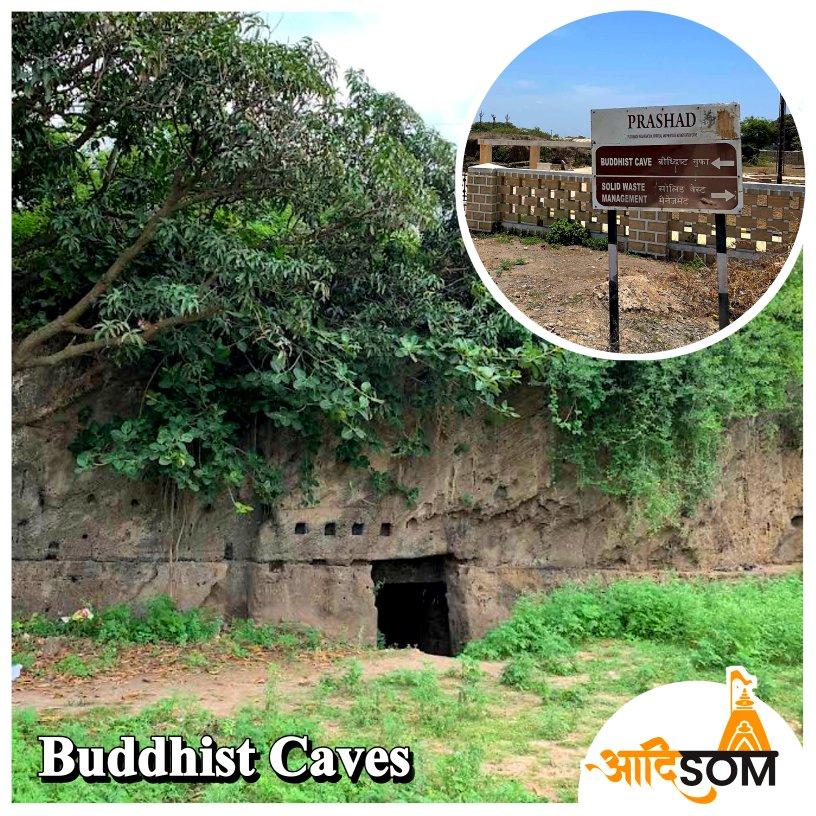
Located near the Triveni Sangam in Somnath (Prabhas Patan), the Prabhas Patan Caves (locally known as Hinglaj Mata Cave or Buddhist Caves) are an exceptionally significant archaeological and historical heritage. These ancient rock-cut caves stand as a testament to Buddhism and the ancient meditative tradition in the Saurashtra region.
1. Historical and Archaeological Background
- Period of Construction: According to archaeologists, these caves are believed to have been constructed around the 4th to 6th century CE (Gupta Period / Maitraka Period).
- Architectural Style: They feature a simple rock-cut architecture carved entirely out of stone, comprising meditation cells and assembly hall structures meant for monks and ascetics.
- Use as Buddhist Viharas: In ancient times when Prabhas Patan served as a bustling international port, these caves were utilized by Buddhist monks as shelters and meditation retreats (Viharas) during the monsoon season.
2. Cultural and Religious Significance
- Meditation Abode: Due to its proximity to the confluence of the Triveni rivers, these caves have historically served as a place of hidden meditation and penance for Nath sect yogis and spiritual seekers for centuries.
3. Authentic Sources
- Archaeological Survey of India (ASI - Western Circle): Survey reports on ancient rock-cut Buddhist caves of Gujarat.
- Gujarat State Gazetteer (Junagadh / Gir Somnath District): References to the historical caves and Maitraka-era architecture of the Prabhas Patan region.
- Archaeological Research Texts: Literature on the propagation of Buddhism and architectural history in Gujarat.
Visitor Guide
- Location: Triveni Sangam Road, Prabhas Patan (Somnath), Gujarat.
- Features: Ancient rock-cut caves, mythological ambiance, and archaeological research value.
- Entry: Prohibited (નિષેધ).
प्रभास पाटन की गुफाएं (Prabhas Patan Caves / Hinglaj Caves): बौद्ध वास्तुकला और पौराणिक साधना से जुड़ी प्राचीन रॉक-कट गुफाएं
परिचय
सोमनाथ (प्रभास पाटन) में त्रिवेणी संगम के पास स्थित प्रभास पाटन गुफाएं (जो स्थानीय रूप से हिंगलाज माता की गुफा या बौद्ध गुफाओं के रूप में भी जानी जाती हैं) पुरातात्विक और ऐतिहासिक दृष्टि से अत्यंत महत्वपूर्ण धरोहर हैं. पत्थरों को तराश कर बनाई गई (Rock-cut) ये प्राचीन गुफाएं सौराष्ट्र क्षेत्र में बौद्ध धर्म और प्राचीन साधना परंपरा की गवाही देती हैं.
1. ऐतिहासिक एवं पुरातात्विक पृष्ठभूमि
- निर्माण काल: पुरातत्वविदों के अनुसार इन गुफाओं का निर्माण लगभग ईसा की चौथी से छठी शताब्दी (गुप्त काल / मैत्रक काल) के दौरान हुआ माना जाता है.
- वास्तुकला शैली: यह पूरी तरह से पत्थर तराशकर बनाई गई साधारण रॉक-कट वास्तुकला शैली है, जिसमें साधुओं और भिक्षुओं के लिए ध्यान कक्ष (Cells) और सभाकक्ष जैसी रचना देखने को मिलती है.
- बौद्ध विहार के रूप में उपयोग: प्राचीन काल में जब प्रभास पाटन एक संपन्न अंतरराष्ट्रीय बंदरगाह था, तब बौद्ध भिक्षुओं के लिए ये गुफाएं वर्षा ऋतु में साधना और निवास (विहार) के रूप में उपयोग में लाई जाती थीं.
2. पौराणिक एवं सांस्कृतिक महत्व
- साधना भूमि: त्रिवेणी नदियों के संगम के पास स्थित होने के कारण सदियों से नाथ संप्रदाय के योगियों और ध्यान साधकों के लिए भी ये गुफाएं गुप्त ध्यान और तपस्या का स्थल रही हैं.
3. अधिकृत स्रोत एवं संदर्भ
- भारतीय पुरातत्व सर्वेक्षण (ASI - Western Circle): गुजरात की प्राचीन रॉक-कट बौद्ध गुफाओं के सर्वेक्षण रिपोर्ट.
- गुजरात राज्य गजेटियर (जूनागढ़ / गिर सोमनाथ जिला): प्रभास पाटन क्षेत्र की ऐतिहासिक गुफाओं और मैत्रककालीन वास्तुकला का संदर्भ.
- पुरातात्विक अनुसंधान ग्रंथ: गुजरात में बौद्ध धर्म का प्रसार और वास्तुकला का इतिहास.
यात्रियों के लिए मार्गदर्शिका
- स्थान: त्रिवेणी संगम रोड, प्रभास पाटन (सोमनाथ), गुजरात.
- विशेषता: प्राचीन रॉक-कट गुफाएं, पौराणिक वातावरण और पुरातात्विक अनुसंधान.
- प्रवेश: निषिद्ध.
પ્રભાસ પાટણની ગુફાઓ (Prabhas Patan Caves / Hinglaj Caves): બૌદ્ધ સ્થાપત્ય અને પૌરાણિક સાધના સાથે જોડાયેલી પ્રાચીન રોક-કટ ગુફાઓ
પરિચય
સોમનાથ (પ્રભાસ પાટણ) ખાતે ત્રિવેણી સંગમ નજીક આવેલી પ્રભાસ પાટણ ગુફાઓ (જે સ્થાનિક રીતે હિંગળાજ માતાની ગુફા કે બૌદ્ધ ગુફાઓ તરીકે પણ ઓળખાય છે) પુરાતત્વીય અને ઐતિહાસિક દ્રષ્ટિએ અત્યંત મહત્વપૂર્ણ ધરોહર છે. પથ્થરોને કોતરીને બનાવવામાં આવેલી (Rock-cut) આ પ્રાચીન ગુફાઓ સૌરાષ્ટ્ર ક્ષેત્રમાં બૌદ્ધ ધર્મ અને પ્રાચીન સાધના પરંપરાની સાક્ષી પૂરે છે.
૧. ઐતિહાસિક અને પુરાતત્વીય પૃષ્ઠભૂમિ
- નિર્માણ કાળ: પુરાતત્વવિદો અનુસાર આ ગુફાઓનું નિર્માણ આશરે ઈ.સ. ચોથી થી છઠ્ઠી સદી (ગુપ્ત કાળ / મૈત્રક કાળ) દરમિયાન થયેલું માનવામાં આવે છે.
- સ્થાપત્ય શૈલી: આ સંપૂર્ણપણે પથ્થર કોતરીને બનાવેલી સાદી રોક-કટ સ્થાપત્ય શૈલી ધરાવે છે, જેમાં સાધુઓ અને ભિક્ષુઓ માટે ધ્યાન ખંડો (Cells) અને સભાખંડ જેવી રચના જોવા મળે છે.
- બૌદ્ધ વિહાર તરીકે ઉપયોગ: પ્રાચીન સમયમાં જ્યારે પ્રભાસ પાટણ એક ધમધમતું આંતરરાષ્ટ્રીય બંદર હતું, ત્યારે બૌદ્ધ ભિક્ષુઓ માટે આ ગુફાઓ વરસાદી ઋતુમાં સાધના અને રહેઠાણ (વિહાર) તરીકે ઉપયોગમાં લેવાતી હતી.
૨. પૌરાણિક અને સાંસ્કૃતિક મહત્વ
- સાધના ભૂમિ: ત્રિવેણી નદીઓના સંગમ નજીક હોવાથી સદીઓથી નાથ સંપ્રદાયના યોગીઓ અને ધ્યાન સાધકો માટે પણ આ ગુફાઓ ગુપ્ત ધ્યાન અને તપસ્યાનું સ્થળ રહી છે.
૩. અધિકૃત સ્ત્રોતો અને સંદર્ભ
- ભારતીય પુરાતત્વ સર્વેક્ષણ (ASI - Western Circle): ગુજરાતની પ્રાચીન રોક-કટ બૌદ્ધ ગુફાઓના સર્વેક્ષણ અહેવાલો.
- ગુજરાત રાજ્ય ગેઝેટિયર (જૂનાગઢ / ગીર સોમનાથ જિલ્લો): પ્રભાસ પાટણ ક્ષેત્રની ઐતિહાસિક ગુફાઓ અને મૈત્રકકાલીન સ્થાપત્યનો સંદર્ભ.
- પુરાતત્વીય સંશોધન ગ્રંથો: ગુજરાતમાં બૌદ્ધ ધર્મનો પ્રસાર અને સ્થાપત્ય ઇતિહાસ.
યાત્રાળુઓ માટે માર્ગદર્શિકા
- સ્થળ: ત્રિવેણી સંગમ રોड, પ્રભાસ પાટણ (સોમનાથ), ગુજરાત.
- વિશેષતા: પ્રાચીન રોક-કટ ગુફાઓ, પૌરાણિક વાતાવરણ અને પુરાતત્વીય સંશોધન.
- પ્રવેશ: નિષેધ.
